The first unit on scene doesn't have to be a person.
AeroAssist launches an aircraft the moment a call drops and streams live video over the incident while ground units are still rolling. Responders arrive already knowing what they're walking into.
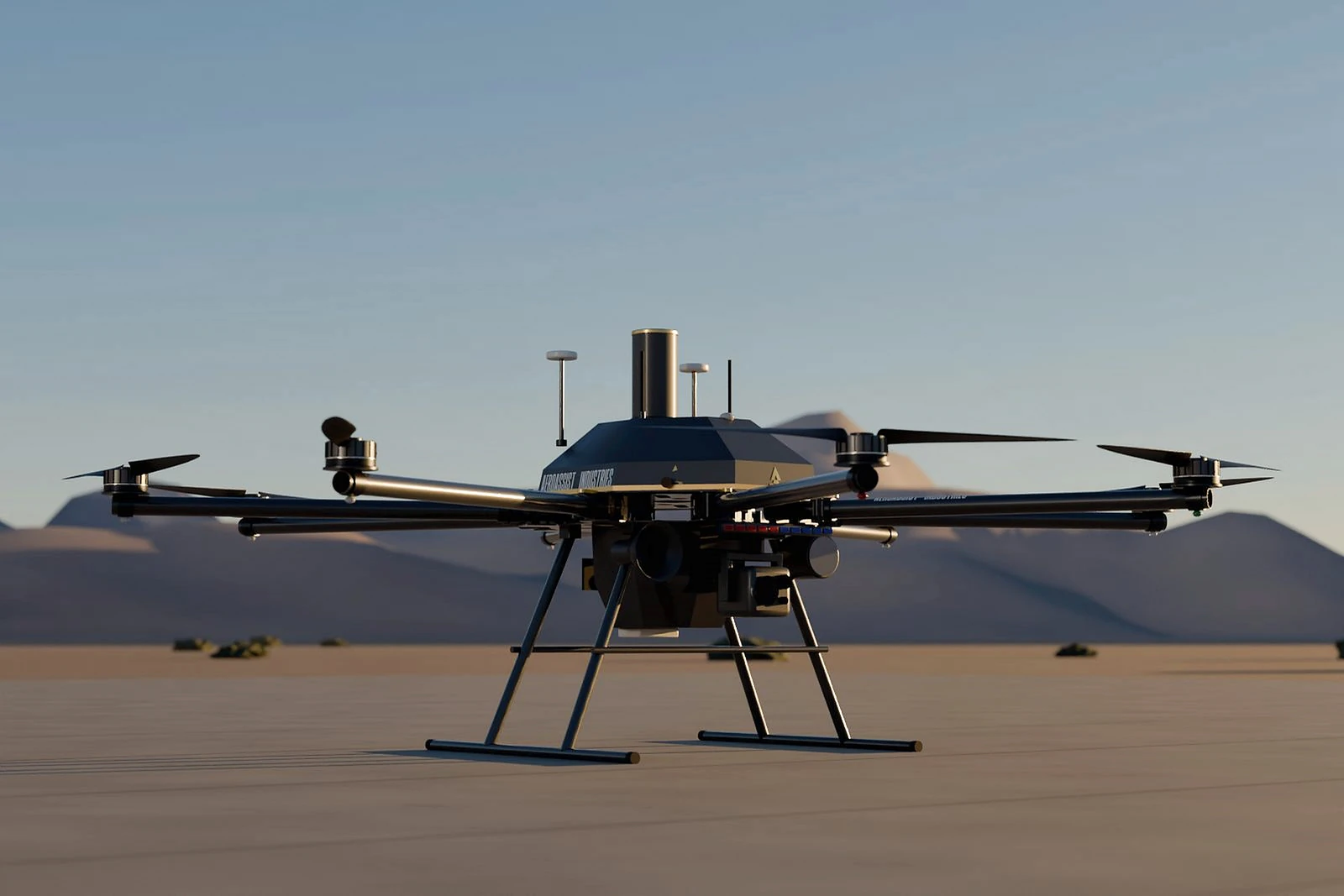
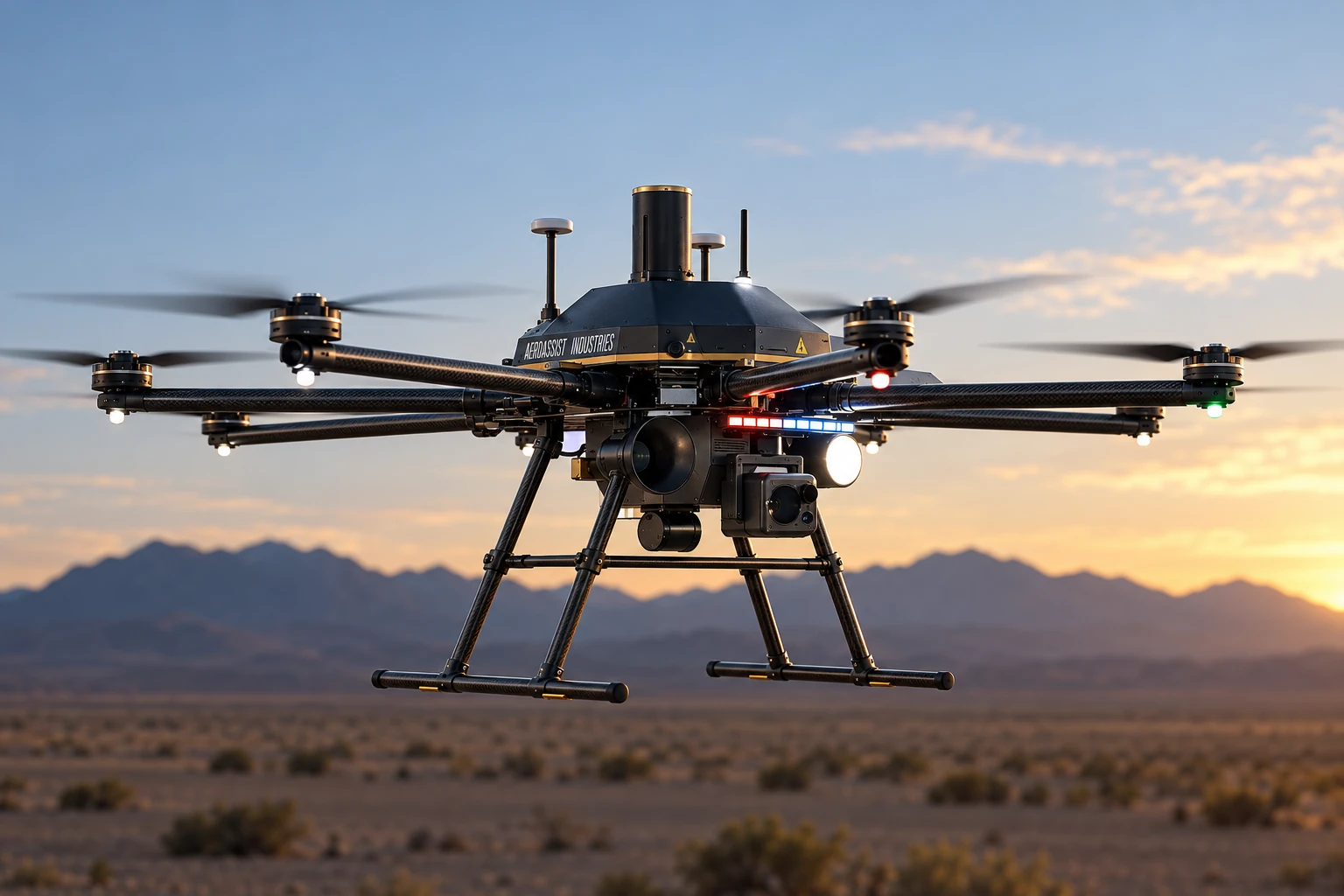
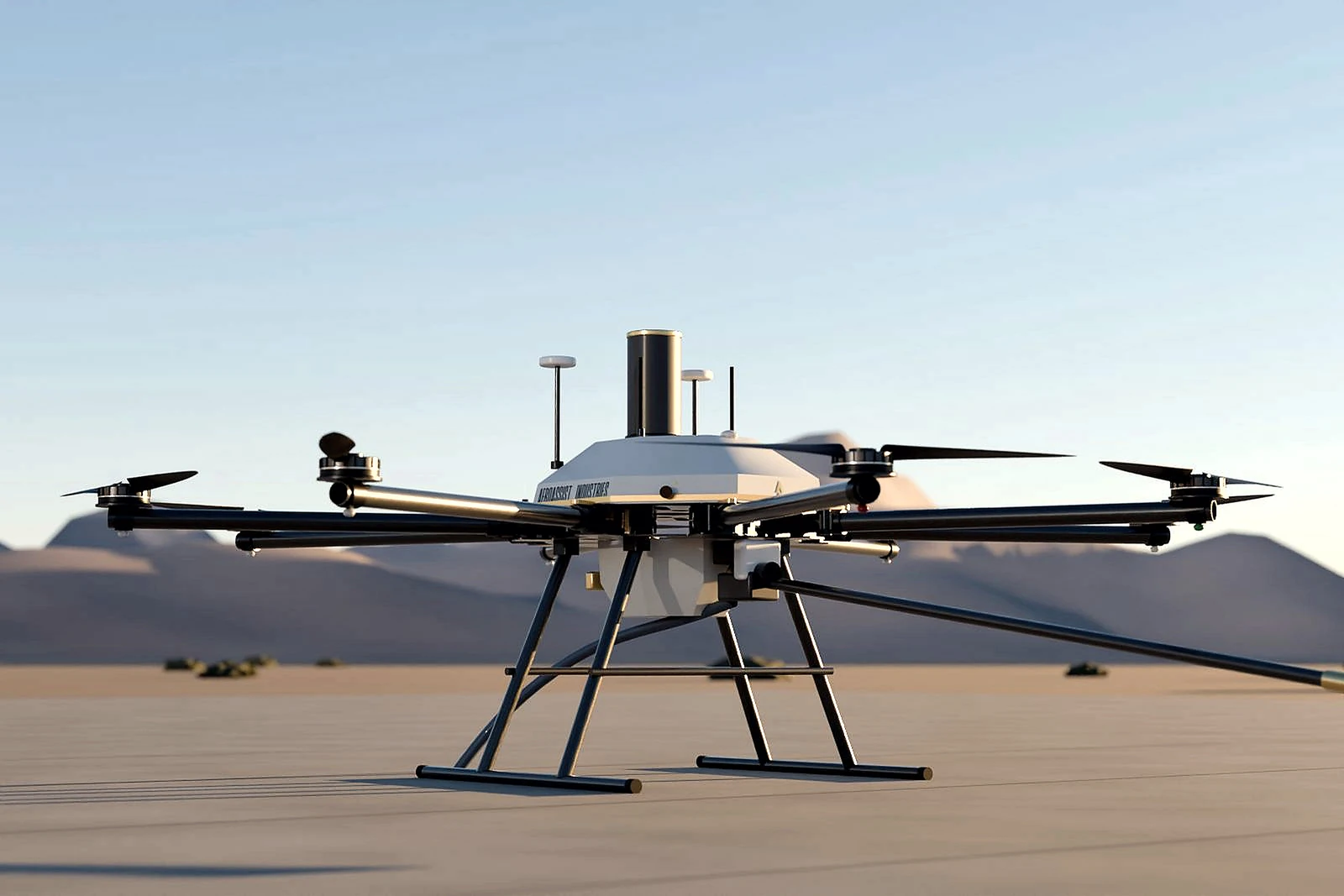
Typical time overhead on a call, modeled on two docks covering a 65 sq mi city.
Octocopters: an electric responder, a hybrid flagship and a utility aircraft.
Built to NDAA supply-chain rules, so agencies can actually buy it.
Designed, fabricated and built in Phoenix, down to the carbon fiber we cut ourselves.
Everything hard about a call happens before anyone can see it.
Dispatch commits crews on a voice description alone. They arrive blind, form a plan on the curb, and lose the minutes that decide how a call ends.
Three octocopters, built for the call.
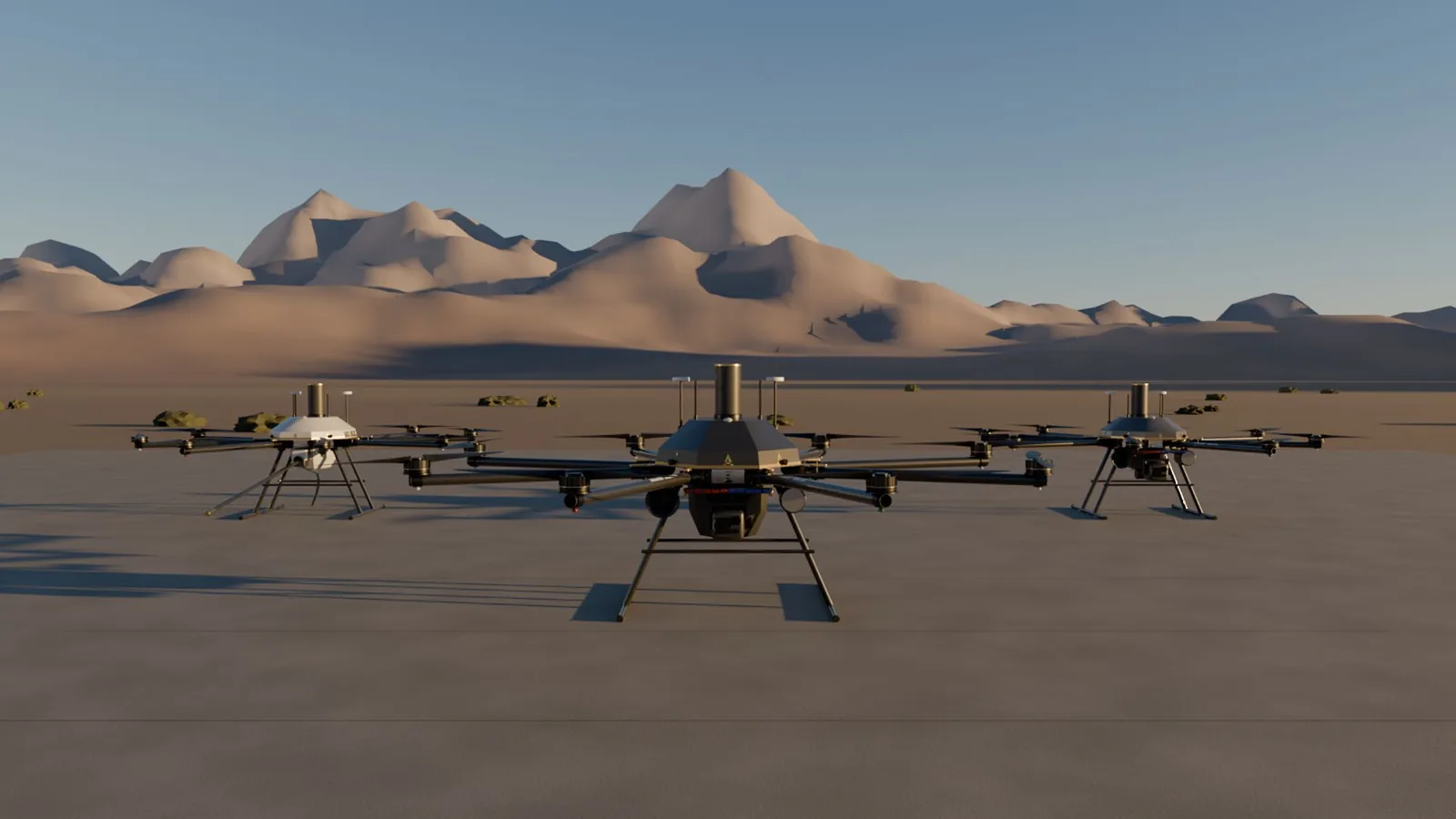
The XR-2 is first on scene in town. The XR-3 hybrid stays up over a fire, a search or a perimeter far longer than a battery aircraft. The XR-1 washes buildings. All three fly the same flight controller, radios and NDAA-compliant avionics.
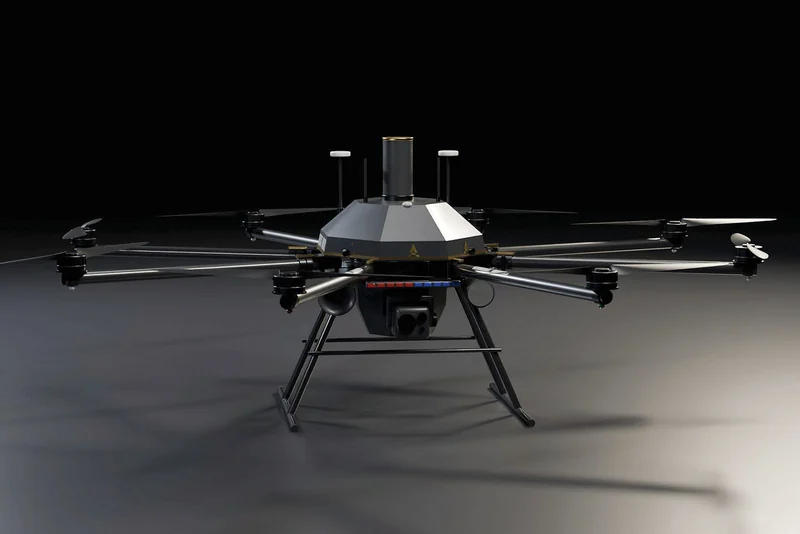
XR-3
Hours on scene. A 3.8 kW generator and 32-inch props for overwatch, search and wildfire.
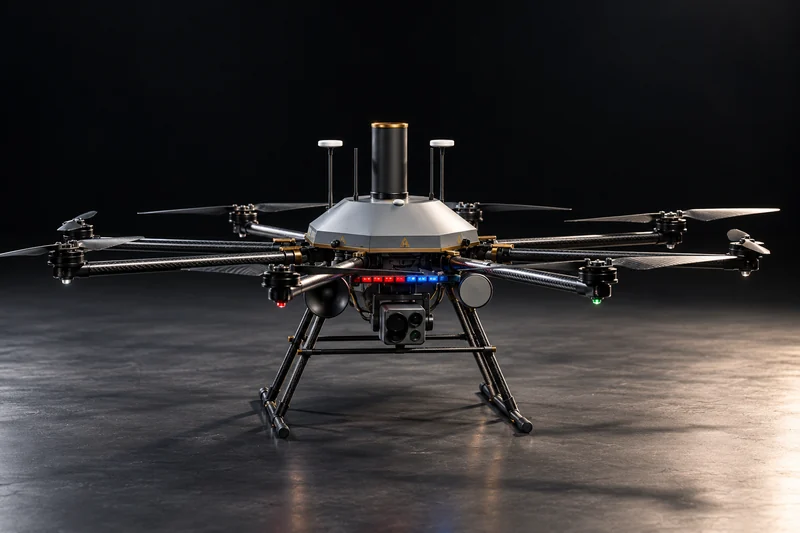
XR-2
First on scene in town. Quiet, quick from a dock, with zoom, thermal, a searchlight and a speaker.
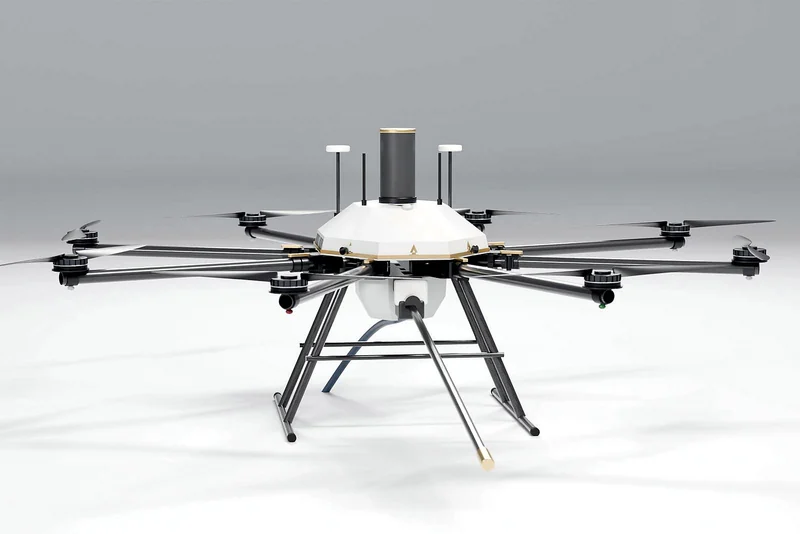
XR-1
Washes facades, windows and roofs at height, with a swivel lance and wall-distance radar.
Pick a call type. See what overhead video changes.
DFR isn't equally valuable on every run. These are the call types where arriving first actually changes the decision, and the ones where it mostly saves a trip.
Take the dispatcher's seat.
Pick a call off the board, task the nearest aircraft and watch it fly. The console runs a full live simulation of a docked network: launch, transit, overwatch and return, with telemetry and a running incident log.
- 01Calls come in from CAD and land on one board
- 02The nearest docked aircraft is tasked in one click
- 03Live video and telemetry stream to dispatch and the field
Three ways to get an aerial view. One that covers every call.
A helicopter, a hand-flown drone team or a docked DFR network. Move the inputs and the annual picture recalculates.
Modeled comparison from public rule-of-thumb operating costs (12 min on scene, $78 loaded hourly operator cost). Not a quote and not AeroAssist pricing.
See it modeled on your own sector.
Tell us how your agency runs calls. We come back with a coverage sketch, a straight answer on cost and a realistic timeline.
info@aeroassist.us